
Industrial & Storage Approvals

Where Industrial Projects Stall
Industrial looks like anything goes, but it's one of the most tightly zoned uses there is. The employment zone reforms shuffled what's allowed where, so the use you're planning might not even be permitted on your site. Heavy vehicle access, 24/7 hours, contamination and environmental controls all come into play, and they're expensive to discover late.
Most people assume an industrial site is flexible and find out otherwise after they commit. We confirm what's actually allowed, and what it will take, before you sign or settle.
What We Handle
From big-box gyms to boutique studios, here's what we get approved.
By Type:
Warehousing and distribution
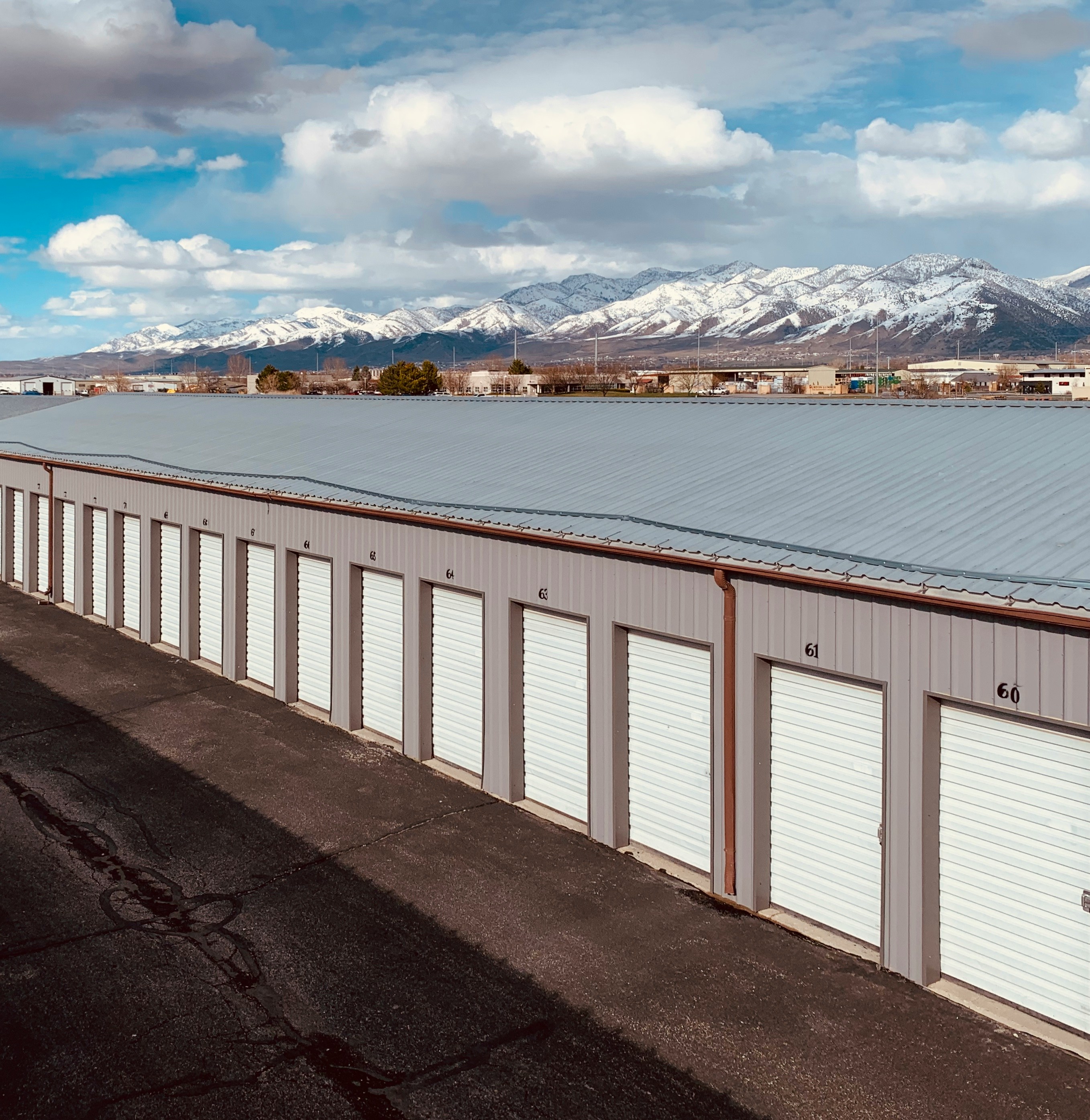
Self-storage facilities
Light industry and manufacturing
Transport and freight depots
Vehicle repair and workshops
Vehicle sales and hire
By approval need:
Fitout DA
24/7 trading hours
Acoustic compliance
Added amenities (showers, change rooms)
Signage
We Check What Others Miss
Using a property for a different purpose than its current approval. Common ones we handle:
Fire safety
High-stack warehousing carries serious fire and separation requirements. We identify them early so they’re costed, not discovered.
Environmental controls
Vehicle workshops and washing trigger trade waste, waste oil and air quality requirements. We factor them in from the start.
Hazardous materials
If you’re storing fuels, chemicals or dangerous goods, there are separation distances and risk requirements. We know what applies.
Contamination
Industrial sites often carry a contamination history, and a change of use can trigger an assessment. We flag it up front, not after settlement.
Acoustic
Machinery, trucks and reversing alarms get scrutinised. We handle the noise side before you lodge.
Hours of operations
24/7 logistics and early deliveries raise noise questions, especially near homes. We build the case for the hours you need.
Heavy vehicle access
Truck movements, loading, turning circles and B-double access often need a traffic assessment. We sort it early.
Permissibility
We confirm office use is actually allowed on your site before you sign, since not every zone permits it.
[ How it works ]
Find Out Exactly Where You Stand
[ faqs ]
Got Any Questions?
We’ve heard it all. Here’s everything you need to know before working with us.
Do I need approval to use a warehouse for a different purpose?
Usually yes. Switching from one industrial use to another is still a change of use, and the first check is whether the new use is permitted in that zone. We confirm that before you commit.
Can I open a self-storage facility?
Usually yes, with consent, though it depends on the zone and the site. Self-storage is generally lower impact, but access, hours, signage and fire still need to be sorted. We map the pathway up front.
Is my industrial use allowed in this zone?
That's the most important question, and the employment zone reforms changed a lot of the answers. We confirm permissibility for your exact use on your exact site before you sign or settle, so you're not buying into a problem.
Do I need approval to open a mechanic or vehicle workshop?
Usually yes. Beyond the use approval, workshops trigger environmental requirements like trade waste, waste oil handling and sometimes air quality for spray work. We handle the approval and flag the operational requirements together.
Do I need a traffic report for an industrial site?
Often, yes. Truck movements, heavy vehicle access and loading arrangements are a common council focus, so a traffic assessment is frequently required. We work out early whether you need one.
Can I run a 24-hour warehouse or depot?
Often yes, but round-the-clock operation raises noise and amenity questions, especially near homes. We know what councils want to see and build the case for the hours your operation depends on.
Do I need to check for contamination?
Quite often with industrial sites, yes, particularly on a change of use. A contamination history can require assessment before approval, and it's far better known before you settle than after. We flag it early.
How long does an industrial approval take?
We lodge within 48 hours of having what we need. After that, determination varies with complexity, and industrial sites can involve traffic, contamination or environmental referrals. Getting the assessment right up front is what keeps it moving.
[ why choose us ]
Faster Pathways
Fewer Rejections
One Expert Team
Guranteed Approval

Active Project Approvals
in 2026
2019
2021
2023
2024
2025