
Home Extension Approvals

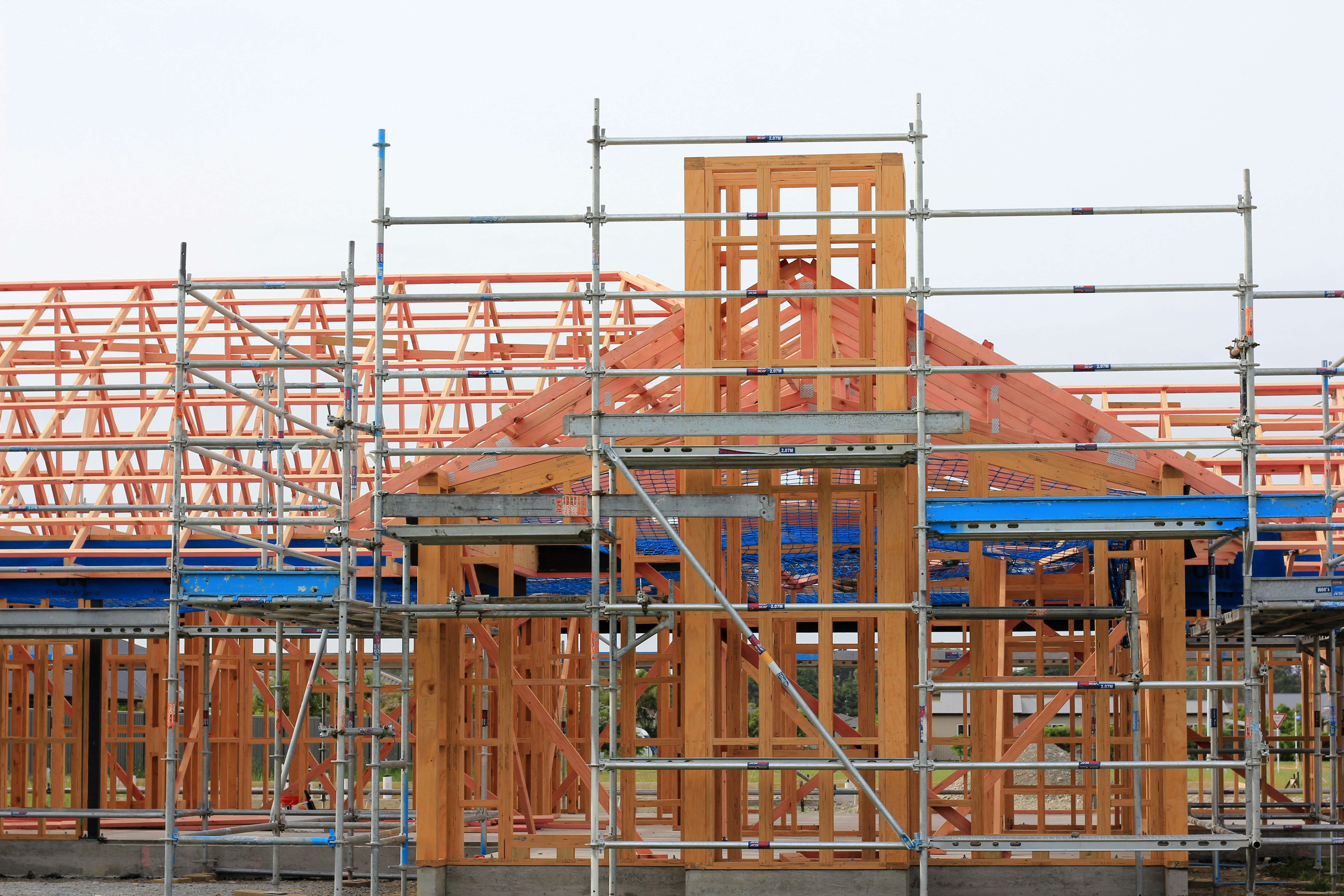
Why extend instead of move
Moving is expensive. Stamp duty, agent fees and the cost of buying back into your own suburb add up fast, and you lose the home, street and school catchment you already have. A good extension or second storey gives you the space you need without any of that, and often adds more value than it costs. The catch is that it only works if the site and the approval pathway stack up. That's what we check first.
The Approv Backyard Value Assessment
A clear review of your property, the likely approval pathway, and the options for making better use of your land. So you know what's realistic before you commit a cent to plans or finance.
We review:
Planning controls on your site
Granny flat or secondary dwelling potential
The likely approval pathway
Key site contraints
Access, service and layout options
Rental assumptions
Delivery options
Recommended next steps
The professionals you'll need to move it forward
The goal is simple: a clear view of what your property can realistically support, what needs to happen next, and whether it's worth progressing.
Your Pathway
How your extension gets approved makes a big difference to time and cost. There are two main routes, and we work out which one your project fits.
Complying Development
If your project meets the standards, it can be approved through a private certifier without a full council DA, which is faster and more certain. Many extensions, and even some second storeys, qualify.
Development Application
If your site or design falls outside the fast-track standards, say heritage, overlays or going beyond the limits, it goes to council as a DA. More involved, but we manage the whole process and design out the objections before they land.
We tell you which pathway your block qualifies for at the start, so you take the fastest route available to you.
Find Out Exactly Where You Stand
[ How it works ]
We Check What Others Miss
An extension can look simple and still hit walls you didn't see coming. Here's what we check before you design anything.
Overshadowing
A second storey can overshadow a neighbour's home or yard, which is one of the most common reasons extensions get knocked back or redesigned. We check it early.
Privacy
New windows and upper-floor living areas raise overlooking concerns that councils and neighbours scrutinise. We design around them up front.
Setbacks and height
Side setbacks, height limits and floor space rules cap what you can build. We work out the real envelope, not the one you're hoping for.
Heritage and character
A heritage listing or conservation area can knock out the fast pathway and bring strict controls. We check what applies before you brief a designer.
Structure
Not every house can carry a second storey without major work to the foundations. We flag whether the existing build can take it.
Sewer and easements
Building over a sewer or across an easement can stop or reshape an extension. We find these before they find you.
Overlays
Flood, bushfire and tree controls can change what's possible. We check your site against all of them.
[ faqs ]
Got Any Questions?
We’ve heard it all. Here’s everything you need to know before working with us.
Do I need council approval to extend my house?
Almost always, yes, but not always a full DA. Many extensions in NSW can go through a faster complying-development pathway if they meet the standards. We work out which pathway your project qualifies for.
Can I add a second storey to my house?
Often yes, but it depends on height limits, overshadowing, privacy and whether the existing structure can carry it. We check all of that before you spend on design.
Do I need a DA, or can I use the fast-track pathway?
It depends on your site and design. If you meet the standards, the fast complying-development route avoids a full council DA. If not, it goes to council. We tell you which applies to your block at the start.
Will my extension overshadow my neighbour?
It might, and overshadowing is one of the most common reasons second storeys get knocked back or redesigned. We assess it early so it shapes the design rather than derailing it.
Can I extend a heritage-listed home or one in a conservation area?
Often yes, but heritage usually rules out the fast pathway and brings stricter controls. We confirm what applies before you commit to a design.
Can my house structurally take a second storey?
Not every house can without significant work to the foundations. We flag whether the existing structure is likely to support it so there are no nasty surprises mid-project.
Is it cheaper to extend than to move?
Often, once you factor in stamp duty, agent fees and moving costs. The point of the feasibility review is to confirm the numbers work for your property before you commit.
[ why choose us ]
Faster Pathways
Fewer Rejections
One Expert Team
Guranteed Approval

Active Project Approvals
in 2026
2019
2021
2023
2024
2025